The best Japan itineraries run on a rail spine — shinkansen for every intercity leg — with a private car and driver reserved for the three or four days that fight you: the Mt. Fuji viewpoints day, early Kyoto temple mornings with kids, Hakone's mountain sprawl, and any day with grandparents in the party. Ryokan books open six months out; top restaurants release tables at exactly 30 or 60 days; takkyubin forwards your luggage hotel to hotel overnight.
Here's a sentence that sounds like heresy until you've done Japan with your parents and your kids in the same week: the trains are not always the answer. Japan's rail network is the best in the world, and we build every itinerary on its spine. And there are days — very specific, predictable days — where the elegant move is a spotless black van, a white-gloved driver, and nobody counting transfers.
En Route Truth: Luxury in Japan isn’t a car instead of the trains. It’s knowing which three or four days of the trip fight you — and putting a driver on exactly those.
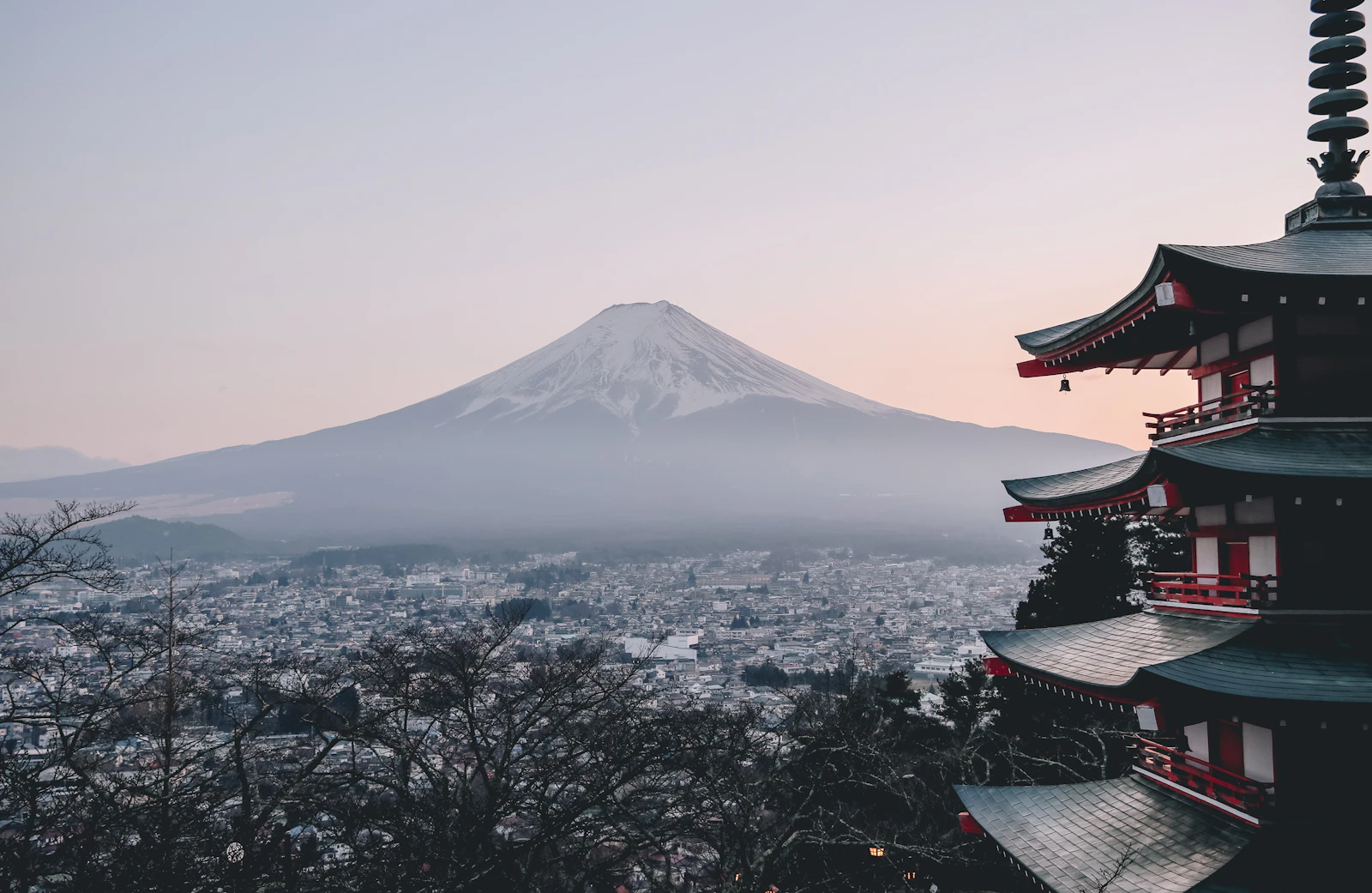
The Fuji day is the case study
Done by public transport, the Mt. Fuji day from Tokyo is a relay race: a train, a transfer to a slower mountain line, then buses between the viewpoints — three or four modes before lunch, each with its own timetable, none forgiving with a stroller or a grandparent. Done with a driver, it's one vehicle door to door: Chureito Pagoda early, the lakeside for lunch, the viewpoints in whatever order the sky dictates. That last part is the real reason: Fuji is notoriously shy — the mountain hides in cloud for days, and winter mornings offer the clearest views of the year. A timetable can't chase a weather window. A driver can, turning the day around the moment the summit shows itself.
Where the trains win, always
City to city, nothing touches the shinkansen — Tokyo to Kyoto in a little over two hours, city center to city center, no airport theater. Within Tokyo, the subway is the true luxury hack: the city is really fifteen cities connected by trains, and the winning move is grouping each day geographically rather than crisscrossing underground. Even the taxis — immaculate, white-gloved — are best saved for late evenings, not itineraries.
Where the car earns its keep
- Kyoto mornings with kids. The temples reward the family that arrives before the tour buses — the Philosopher's Path at 7 a.m. is a different universe from the same path at 11. A driver makes the early start painless and carries the day bags while you walk.
- Hakone's beautiful sprawl. Hakone isn't a town; it's a mountainous national park stitched together by switchback roads, cable cars, and funiculars, and travel times are far longer than the map suggests. Charming once as a ride-everything adventure; with three generations, the van wins.
- The multi-generation pace. A driver converts every transfer from a decision into a nap. For families running a once-in-a-decade trip with grandparents, that's not indulgence — that's the difference between day six working and day six unraveling.
- Rain days. Kyoto in a downpour by train and on foot is character-building. By car, it's museums, tea rooms, and a nap between them.
The Japan This Post Describes
Are Kanazawa and Miyajima worth adding?
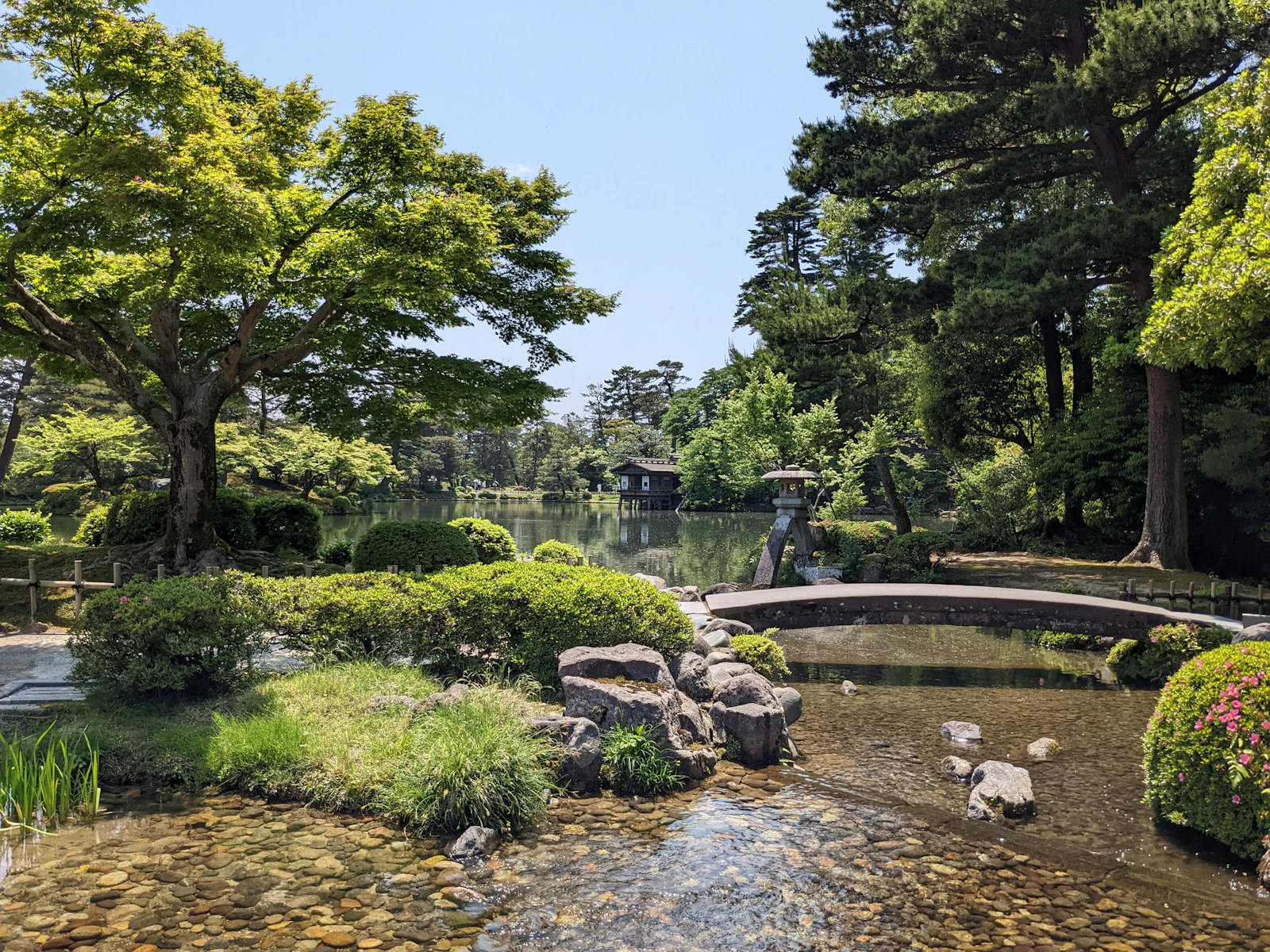
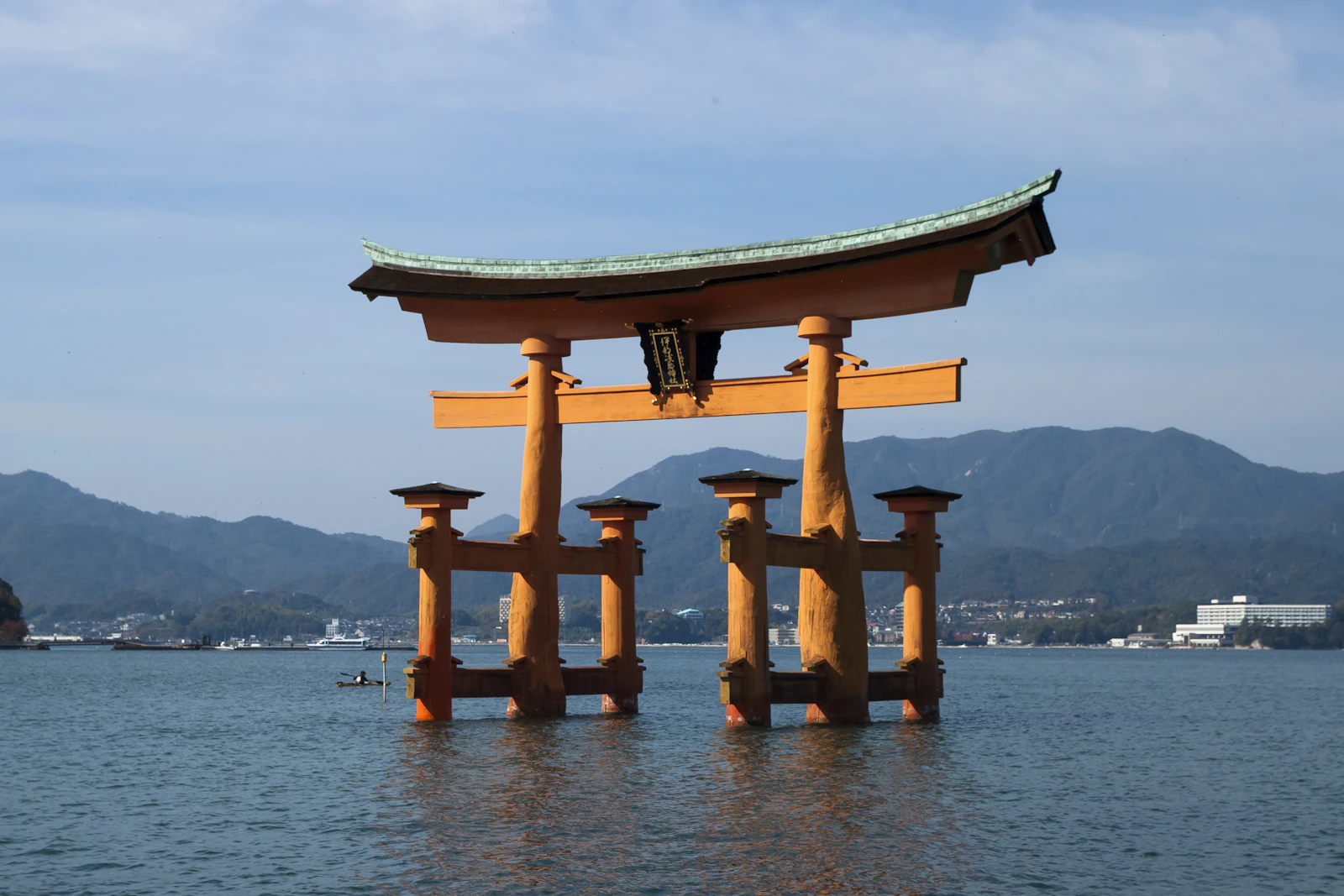
Kanazawa is the easiest great decision in Japan — a direct shinkansen from Tokyo, an easy rail connection from Kyoto, and at the end of it a city of samurai lanes, the Omicho market, and Kenrokuen, one of the country's three great gardens, with a fraction of Kyoto's crowds. Walkable once you're there; no car needed. Miyajima takes more commitment — shinkansen to Hiroshima, then the short ferry — and repays it if you do the one thing day-trippers can't: stay until evening, when the crowds sail home and the great torii gate stands in the tide with almost nobody watching.
The bookings that decide the trip months out
Japan punishes improvisation at the top end. The legendary ryokan — Tawaraya class — never appear on booking engines; their books open six months out and close within hours. The top sushi and kaiseki counters release tables exactly 30 or 60 days ahead, at midnight Japan time, on specific platforms — no concierge charm gets around it. Luggage barely needs to travel with you at all: the takkyubin forwarding services move your suitcases hotel to hotel overnight, so you board the shinkansen with a day bag. And avoid Golden Week — late April into early May — entirely, unless you enjoy the whole country traveling at once.
We design Japan the way this post reads — rail spine, drivers on the days that fight you, the booking windows hit to the minute (see a real bloom-timed itinerary for the level of detail). If you're holding a Japan draft, send it over: we'll tell you which days need the van, and which reservations you've already missed the window on — while there's still time to fix it.
The places in this piece
- Tokyo — the launchpad; land at Haneda (HND) or Narita (NRT), and save the taxis for late evenings.
- Chureito Pagoda, Fujiyoshida — the five-storey pagoda in every classic Mt. Fuji photograph; the centerpiece of the private-driver day.
- Hakone — mountain onsen country above Lake Ashi; a ryokan night with a private rotenburo, and Fuji views when the mountain allows.
- Kanazawa — Kenrokuen garden, the Omicho market, and samurai lanes; a direct shinkansen from Tokyo.
- Kyoto — temple mornings before the tour buses; the legendary ryokan open their books six months out.
- Miyajima — the floating torii of Itsukushima Shrine, a short ferry from Hiroshima; stay past sunset when the day-trippers sail home.
- Kansai (KIX) — the western international gateway, closest arrival point to Kyoto and Osaka.
Fair Questions
Is a private driver worth it in Japan?
Not everywhere — the shinkansen wins every intercity leg. A car with driver earns its keep on specific days: the Mt. Fuji viewpoints day, early temple mornings in Kyoto with kids, Hakone's mountain sprawl, rain days, and any trip traveling with grandparents.
What's the best way to see Mt. Fuji?
A private car-and-driver day from Tokyo — Chureito Pagoda early, the Fuji Five Lakes after — because Fuji hides in cloud for days at a time and a driver can chase the clear window while a train timetable can't. Winter mornings offer the clearest views of the year.
How far ahead do Japan reservations open?
The legendary ryokan open their books about six months out and sell out within hours; top sushi and kaiseki counters release tables exactly 30 or 60 days ahead at midnight Japan time. Luggage can skip the trains entirely — takkyubin forwarding moves bags hotel to hotel overnight.